Mining Security in the Athabasca Oilsands: What Operators Need in 2026
The threat surface has shifted — from environmental protest to sub-contractor gate-sweep and remote-site theft.
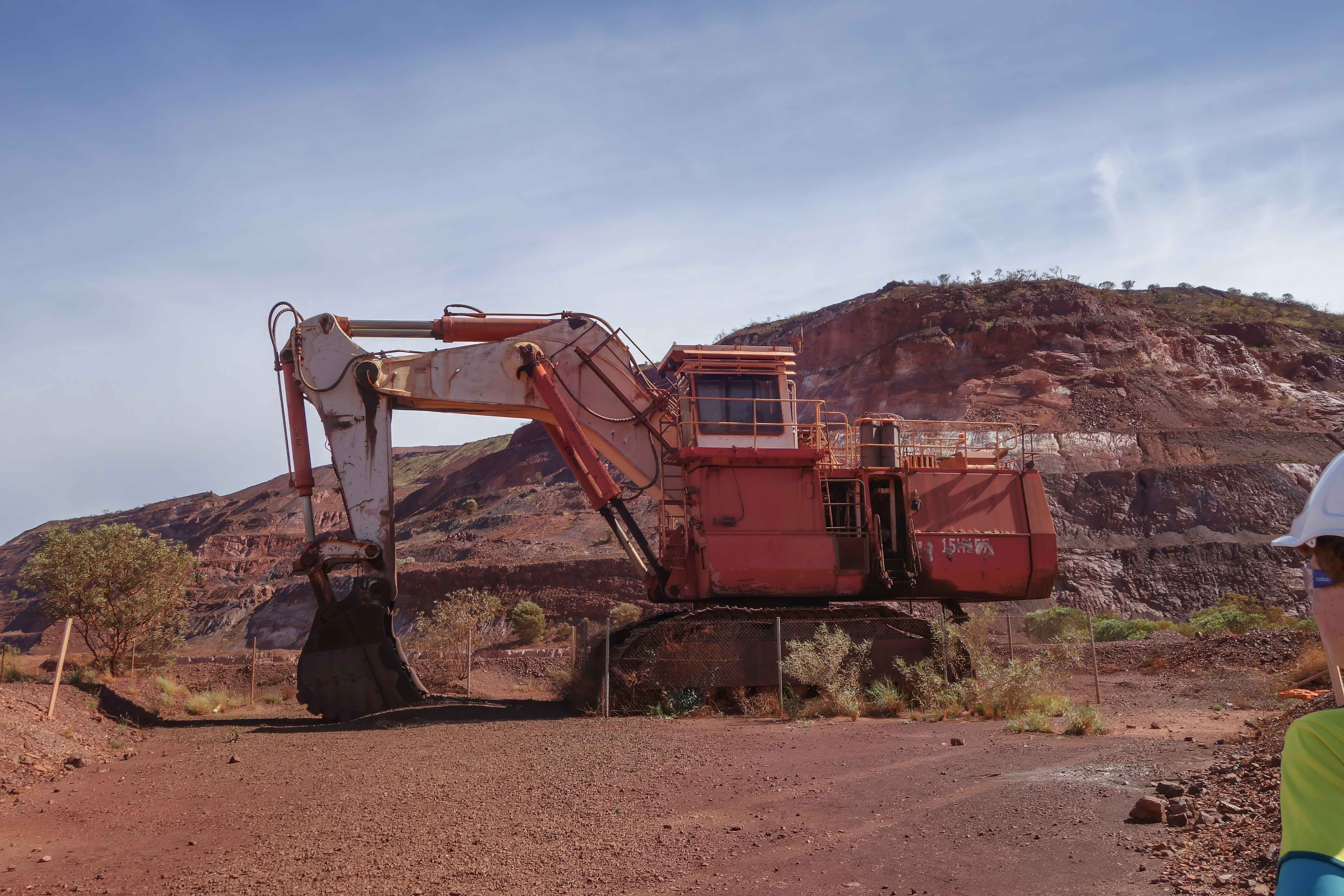
The threat surface has shifted
In 2018, oilsands security teams spent most of their attention on environmental protest logistics. Seven years later, the threat surface has broadened — sub-contractor gate-sweep integrity, remote-site tool and copper theft, drone incursions, and vehicle-borne intrusions all now sit alongside protest planning as core mining security disciplines.
Gatehouse-first architecture
The most effective Athabasca mining security programs we've observed put the gatehouse first — not the perimeter fence. Every contractor, delivery, and asset move is logged at a manned, camera-covered access point with orientation gating. Officers hold Common Safety Orientation (CSO), H2S Alive, and CSTS-2020 at a minimum. The gatehouse becomes the operational memory of the site, feeding real-time data to the command post and creating an audit trail that satisfies Alberta Energy Regulator inquiries.
Ore transport and explosives magazine oversight
High-value ore transport now requires licensed escort vehicles with radio-linked convoy protection. Explosives magazine oversight is a specialty in itself — chain-of-custody protocols, dual-control access, and continuous CCTV monitoring aren't optional for federal compliance. Any Athabasca mining security firm that can't demonstrate these workflows on-paper before they hit your site is under-qualified.
Remote-site self-sufficiency
The single biggest operational shift of the last three years is the expectation of self-sufficient security crews. Camp allowance, deployment kits, cold-rated PPE, and 12-hour shift-rotation logistics are now table stakes. Our Fort McMurray-deployed roster runs self-contained crews for weeks at a time — meaning your operations team doesn't inherit security logistics as a distraction.